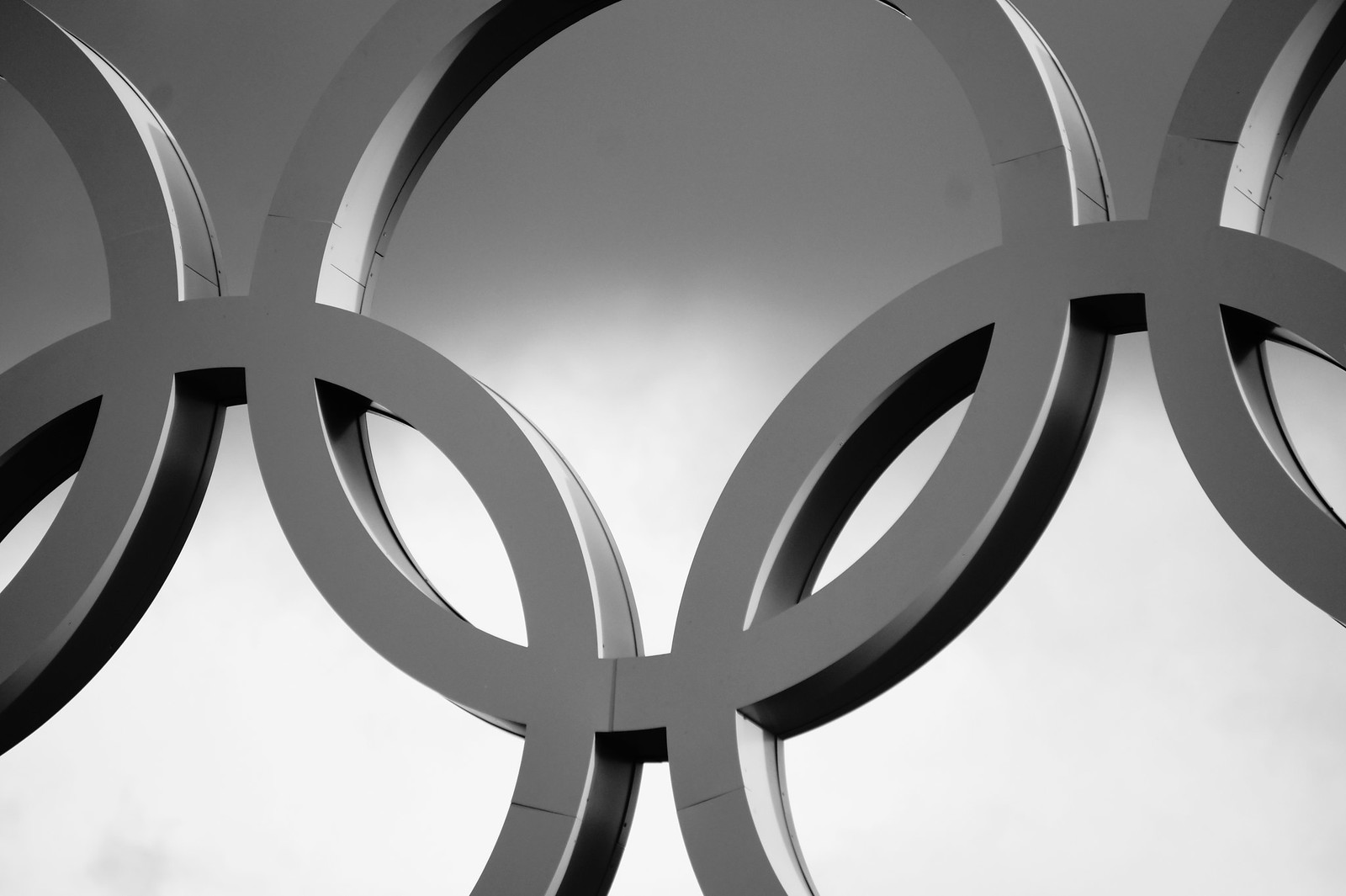
 As a kid, watching the Olympics was an extremely happy event. To go from cheering for the dismal and dully colored home teams to watching this bright spectacle, along with a very successful team to call my own, was a lot of fun, and a lot of the competitors are kids too, which makes it pretty neat. They were competing in some sports and events we didn’t get to watch regularly, and there was a fun simplicity that flowed from the amateurism and unity of the whole thing.
The Olympics, as an event, really aren’t that simple, though. Munich happened. Boycotts of one kind and another happened. Protests were staged. Athletes were deemed unclassifiable. And that’s all before we get to the sports-related controversies of the familiar and unfamiliar variety. Most of these complicating events and issues are sociopolitical matters having little to do with sport as such, yet they still play out in meaningful ways at the Games.
This summer in London was no exception, of course. I’d like to highlight two items, one of which has not been the subject of substantial media coverage, and one of which has. Keep reading…
 ALDLAND